
You will follow how fireflies, jellyfish, and other bioluminescent organisms produce light, learn the science distinguishing bioluminescence, chemiluminescence, and phosphorescence, and see how engineers translate those principles into safe glow products for your projects; authoritative resources like National Geographic, Smithsonian, and NOAA guide deeper study while inspiring DIY ideas and environmental best practices.
Nature’s Dazzling Displays: Exploring Bioluminescence
Bioluminescence shows you how organisms convert chemistry into light: thousands of marine species and many terrestrial insects glow via luciferin-luciferase reactions or photoproteins, with around 76% of deep-sea animals emitting light. Observe how those natural efficiencies and color ranges—blue emissions near 470 nm in many jellyfish versus yellow-green firefly flashes around 560 nm—inspire engineered glow powders and paints you use for safe, efficient illumination and creative design experiments.
Fireflies and Their Enigmatic Light
When you watch Photinus pyralis blink on summer nights, know that each flash stems from a luciferin-luciferase reaction in specialized light organs, converting chemical energy to light with near-100% efficiency; species-specific flash patterns—timing and duration in the 0.1–1.0 second range—drive mating signals and territorial displays, offering models for pulse-driven glow products and LED sequencing you might replicate in interactive designs.
Underwater Wonders: Jellyfish and Other Marine Luminaries
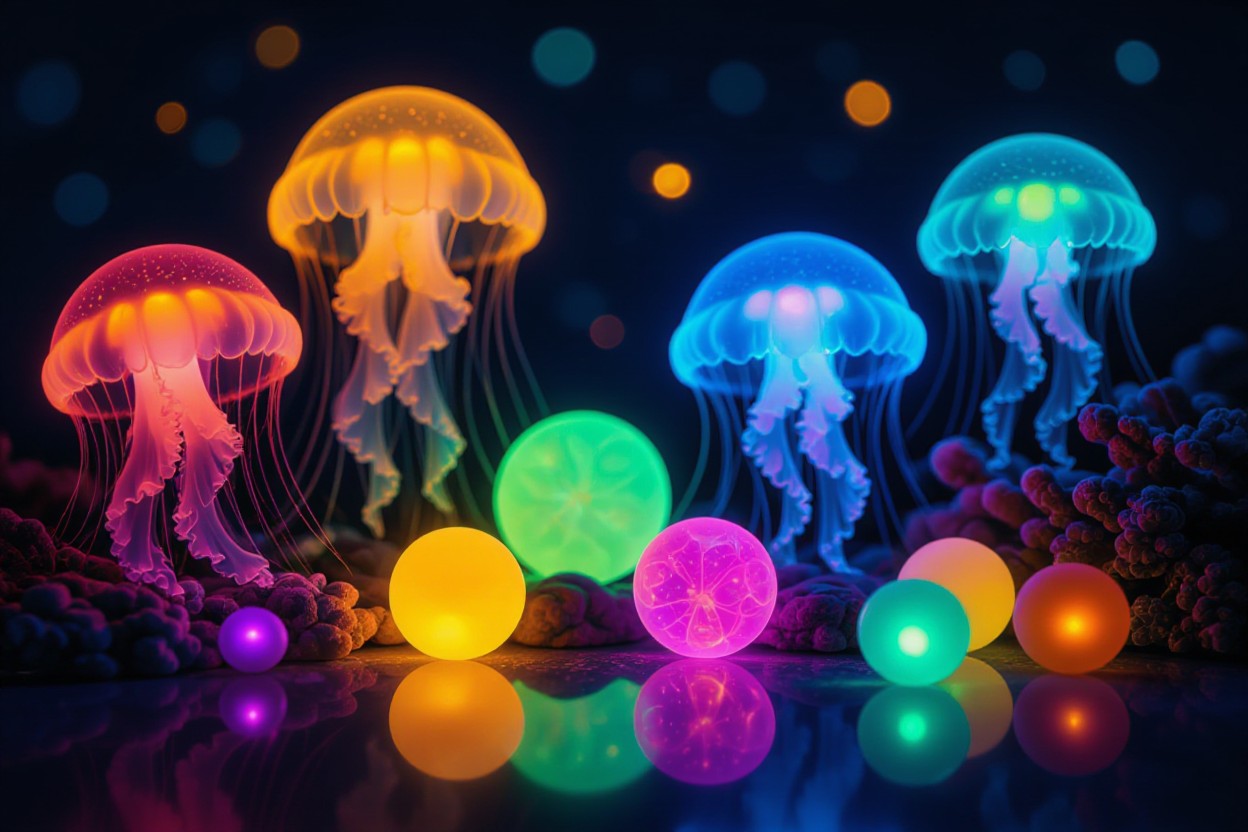
Explore marine bioluminescence through Aequorea victoria, whose calcium-triggered photoprotein aequorin emits blue light near 470 nm that GFP shifts to green at 508 nm, a discovery that revolutionized molecular biology and inspired color-shifting luminescent materials; dinoflagellates like Noctiluca scintillans create glowing bays such as Mosquito Bay in Vieques, Puerto Rico, showcasing both micro- and macro-scale displays you can study for biomimetic color and timing cues.
Deep-sea strategies you can observe include counterillumination—squid and fish match downwelling light to hide silhouettes—and luring, as seen in anglerfish with bioluminescent esca; photoproteins versus luciferase systems differ: photoproteins release light with a single calcium trigger while luciferase catalyzes continuous reactions, and the mesopelagic zone (200–1,000 m) hosts the highest proportion of luminescent species, informing how you design glow intensity and emission spectra for practical, low-energy applications.
The Chemistry of Light: Dissecting Luminescent Processes
Your appreciation of glow products deepens when you trace electrons, excited states, and chemical intermediates rather than just admiring color. Biological systems use enzyme-catalyzed oxidation (luciferin + luciferase) or calcium-triggered photoproteins, synthetic chemiluminescence relies on peroxyoxalate or 1,2-dioxetanedione intermediates, and engineered phosphors store charge in crystal traps—each route dictates brightness, duration, and how you can harness nature’s strategies in product design.
Bioluminescence vs. Chemiluminescence
You see bioluminescence in fireflies and Aequorea jellyfish where luciferin–luciferase or aequorin/GFP cascades convert biochemical energy into light with millisecond flashes or slow pulses; reactions are tightly regulated by organisms. Chemiluminescence in glow sticks uses an oxalate ester plus hydrogen peroxide to form a high-energy intermediate that transfers energy to a dye—temperature and reagent concentration let you tune intensity and run-time for minutes to hours.
The Mystery of Phosphorescence: Why It Lasts
Electrons in phosphors get trapped in metastable states (often triplet states) where the return to the ground state is quantum-mechanically “forbidden,” so emission is slow; modern strontium aluminate doped with europium and dysprosium can emit visible light for up to 12+ hours after a strong UV charge, whereas older zinc sulfide formulations typically fade within minutes.
Charge kinetics determine practical performance: peak luminance appears immediately after charging then follows a multi-phase decay—very bright for the first hour, then dropping logarithmically but remaining detectable for many hours. You can boost afterglow by exposing powders or coatings to intense UV for 2–10 minutes, optimizing dopant ratios (Eu2+ for emission, Dy3+ for trap depth), and embedding particles in transparent binders to reduce surface quenching for longer, more usable glow in signage, art, and safety gear.
Man-Made Marvels: How Glow Products Illuminate Our World
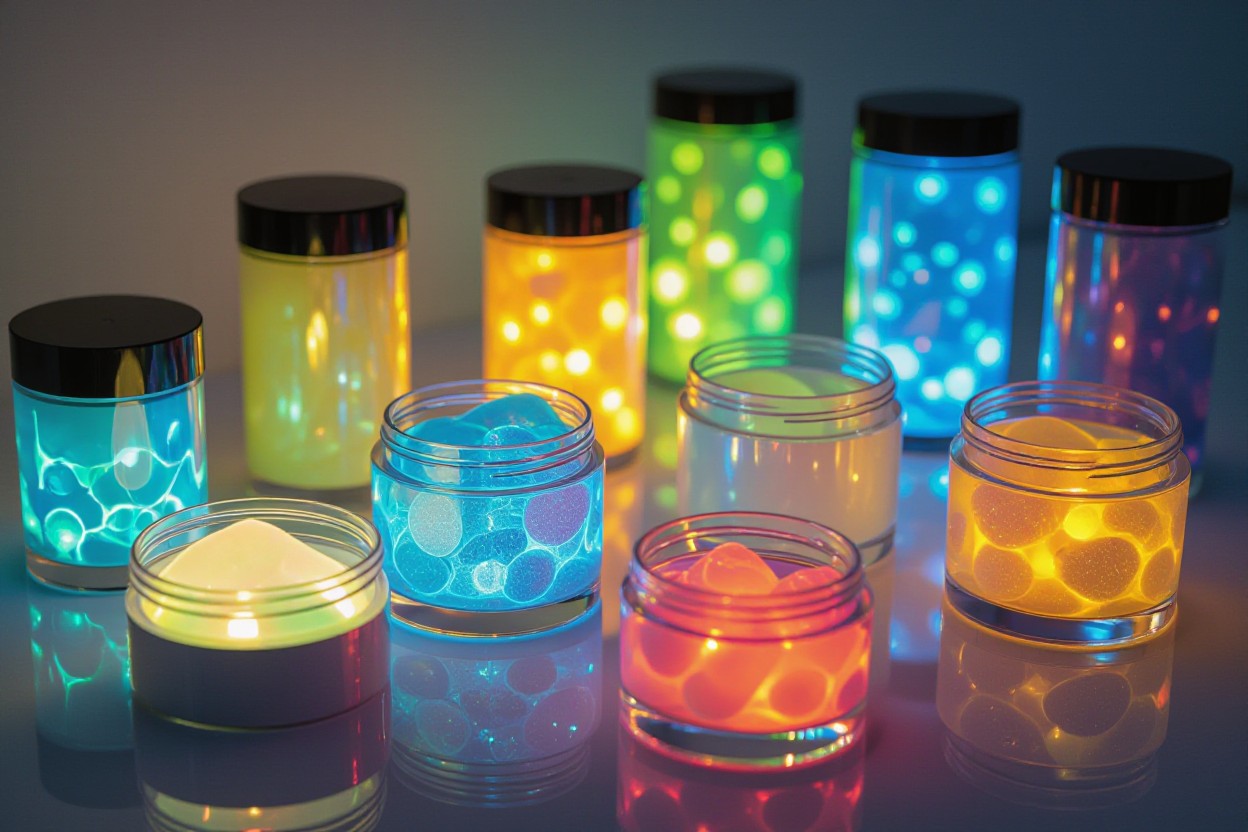
You encounter engineered luminescence everywhere: chemiluminescent glow sticks often provide 4–12 hours of single-use light, phosphorescent strontium aluminate pigments recharge under daylight and emit 8–12+ hours, and LEDs deliver 25,000–50,000+ hours for signs and wearables; applications range from emergency wayfinding and cycling safety to immersive art installations and low-energy architectural accents.
From Glow Sticks to Paint: A Comparative Analysis
You pick products by use-case—temporary, bright bursts versus reusable ambient glow, disposable chemistry versus rechargeable pigments, single-event convenience versus lower-waste longevity.
Quick Comparison
| Glow Stick | Glow Paint |
|---|---|
| Mechanism: chemiluminescence (oxalate ester + H2O2 + dye) | Mechanism: phosphorescence (strontium aluminate pigments) |
| Duration: typically 4–12 hours; single-use | Duration: 8–12+ hours after charge; rechargeable |
| Use: event lighting, emergency kits, disposable markers | Use: murals, safety signage, toys, long-term décor |
| Environmental: chemical waste, limited recyclability | Environmental: lower waste if reused; non-radioactive pigments |
Innovations in Glow Technology: Current Trends
You’ll notice rapid strides: microencapsulated phosphors that resist washout for textiles, flexible electroluminescent and micro-LED panels for garments and signage, and luciferase-based biohybrid research aiming at low-energy, self-sustained bioluminescence for niche displays and living art.
You can expect practical impacts: manufacturers report EL and micro-LED systems enabling thin, flexible lighting arrays, LEDs offering 25,000–50,000-hour lifespans, and new phosphor blends extending useful afterglow; meanwhile, bioengineering projects (glowing plants/bioluminescent coatings) are improving lumen output but remain supplemental rather than primary light sources.
Inspired by Nature: Unleashing Creativity with Glow
You can translate biological efficiency into design choices by leaning on specifics: fireflies’ bioluminescence can reach ~90% light conversion, while photoluminescent pigments such as strontium aluminate charge in 10–20 minutes of daylight and emit for 8–12 hours. Use that knowledge to pick materials, plan charging cycles, and prioritize low-energy installations that echo natural glow patterns without sacrificing durability or safety.
Artistic Applications for Home and Studio
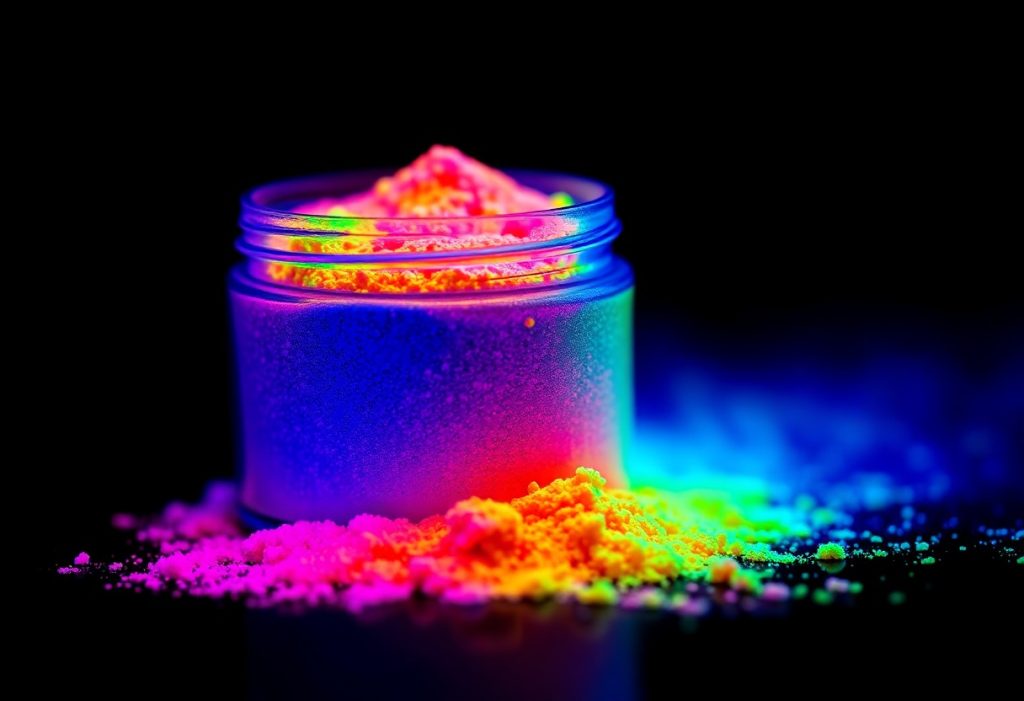
You can mix strontium aluminate powder (typically 1–10% by weight) into clear epoxy to make river tables and inlay panels that glow through the night, or apply glow inks in layers for star-ceiling murals that recharge under window light; fine-grade pigments yield smoother radiance while coarser grades create textured sparkle. Try mask-and-spray techniques for gradients and seal with UV-stable varnish to protect color and longevity.
Nature-Inspired Design: From Fashion to Architecture
You can bring bioluminescent aesthetics into wearables and buildings by embedding photoluminescent pigments in textiles, resins, and concrete aggregates: glow-treated pavers and façade panels store daylight and emit low-level wayfinding light for several hours, while printed or coated fabrics provide dramatic runway or safety highlights without constant power. Combine passive phosphorescence with LED accents to mimic organic patterns.
For deeper implementation you should consider material engineering: encapsulating pigments in polymer microspheres improves wash and abrasion resistance for garments, while dosing aggregates at specific percentages (e.g., 5–15% in decorative concrete mixes) balances brightness with structural integrity. Pair sensor-driven LEDs with passive glow layers to reproduce pulsing patterns seen in fireflies, giving you dynamic, low-energy installations that scale from a jacket trim to a plaza façade.
Safety and Sustainability: Rethinking Glow Products
Examining Environmental Impacts
You can see lifecycle contrasts clearly: single-use chemiluminescent sticks create persistent plastic waste and contain peroxide plus phenyl oxalate esters that can irritate skin and complicate disposal, while older zinc‑sulfide phosphors fade within an hour and sometimes relied on heavy‑metal dopants. Strontium‑aluminate photoluminescent pigments recharge under light and sustain 6–12 hours of afterglow, reducing replacements, and LED systems often exceed 25,000 operating hours—both choices lower landfill burden even as you weigh rare‑earth extraction impacts.
Advances in Non-Toxic Glow Solutions
You can opt for strontium‑aluminate (SrAl:Eu,Dy) pigments embedded in water‑based acrylics, which avoid heavy metals and recharge repeatedly; microencapsulation techniques prevent pigment leaching into soil and fabrics. LED and electroluminescent alternatives eliminate single‑use chemistry, offering long lifespans and energy efficiency. Experimental approaches—including luciferase‑based biological displays and biodegradable polymer carriers—are moving from lab prototypes into limited commercial and art applications.
Look for product labels specifying SrAl:Eu,Dy—these formulations commonly deliver 8–12 hours of visible afterglow and retain performance after thousands of light‑recharge cycles, which is why they’re used in emergency signage and durable art. Manufacturers now use microcapsules under ~50 μm to lock pigments into water‑based binders for improved wash‑fastness and reduced environmental release. You should prioritize transparent ingredient lists, third‑party certifications, and reusable LED options when choosing sustainable glow products.
Hands-On Exploration: Crafting Your Own Glow Experiences
You can translate observations of fireflies and jellyfish into measurable experiments and playful projects—compare strontium aluminate pigments that can glow 8–12 hours after UV charging with chemiluminescent glow sticks that last 4–12 hours, record decay curves with a lux meter, or test temperature effects by running the same glow stick at 5°C and 25°C to see reaction-rate differences.
DIY Luminescence Experiments
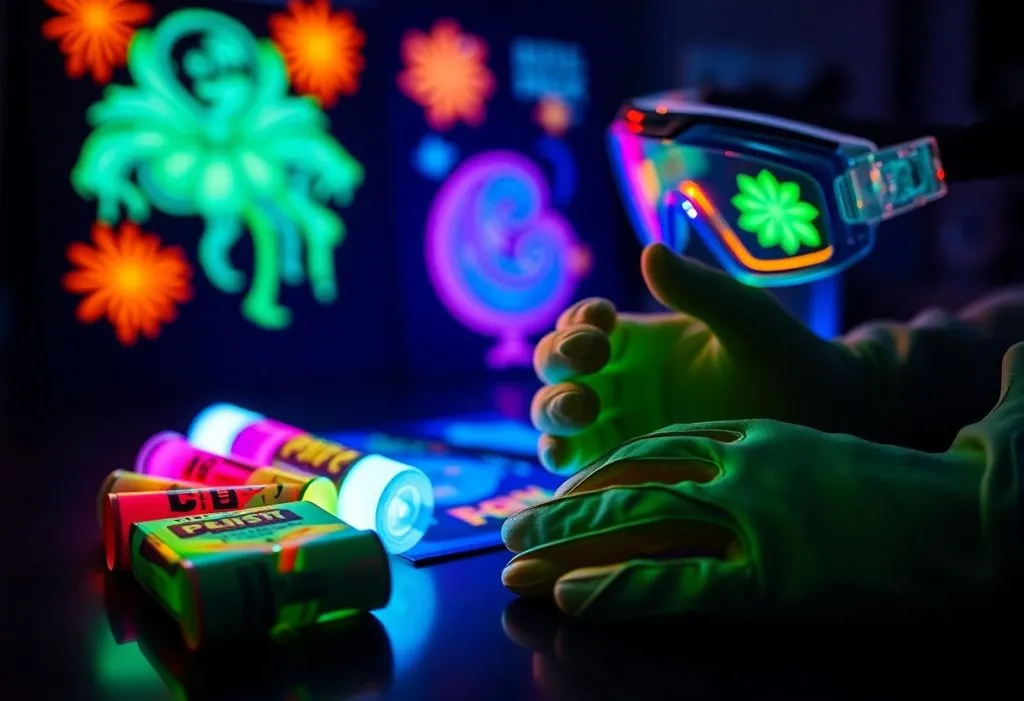
You can make glow-in-the-dark slime using PVA glue, borax, and 5–15% strontium aluminate pigment by weight, charge samples with a 365 nm UV flashlight for 30–120 seconds, then measure afterglow intensity and duration; for a chemistry demo, observe luminol’s blue chemiluminescence in a darkened tray (use gloves, goggles, and small quantities) to discuss reaction mechanics and catalytic effects.
Bridging Science and Art: Projects for All Ages
You can create family-friendly projects—paint constellation ceilings using 10% pigment mixes, cast resin coasters with layered glow powders, or build EL-wire sculptures—suitable for kids 8+ with adult supervision and adaptable for community workshops where groups compare pigment concentrations and artistic techniques.
For a simple glow-constellation mural, prime the surface with matte white, mix 8–12% strontium aluminate into water-based acrylic for star dots, apply a thin base coat, map constellations with templates, build layers (two to three thin coats) for depth, charge with a 365 nm LED for 60–90 seconds to preview, and finish with a clear, non-yellowing varnish; use non-toxic pigments and ventilate when sanding or sealing.








Leave a Reply
You must be logged in to post a comment.